Table of Contents
- Key Takeaways
- Quick Verdict
- Product Overview & Specifications
- Real‑World Performance & Feature Analysis
- Design & Build Quality
- Performance in Real Use
- Ease of Use
- Durability / Reliability
- Pros & Cons
- Comparison & Alternatives
- Cheaper Alternative – Generic Plastic Heart Mold (≈ $1.50 for a 6‑piece set)
- Premium Alternative – Silicone Pro™ Heart Molds by SweetCraft (≈ $12.99 for a pair)
- Buying Guide / Who Should Buy
- Best for Beginners
- Best for Professionals (Small‑Scale)
- Not Recommended For
- FAQ
- Are these molds truly BPA‑free?
- Can I bake directly in the silicone mold?
- Will the silicone melt if I pour boiling chocolate?
- How do I store them without warping?
- Do they work for non‑food crafts like resin or soap?
- Is the price worth it compared to the cheaper plastic set?
- Can I use them in the microwave?
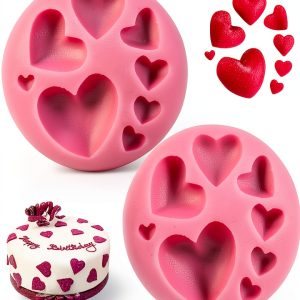
When Valentine’s Day rolls around, the pressure to create something that looks as good as it tastes spikes dramatically. I’ve spent countless evenings melting chocolate, pouring candy mixtures, and wrestling with rigid plastic molds that either stick or snap. That’s why I was eager to try the **JEWMIA Heart Silicone Molds** – a promise of easy release, food‑safe silicone, and a design that looks like it belongs in a professional patisserie. Below is a deep dive that goes beyond the spec sheet, showing you exactly how these molds perform in a real kitchen, who will love them, and when you might be better off with a different tool.
\n\nKey Takeaways
\n- \n
- Flexible, BPA‑free silicone releases delicate heart chocolates in under 2 seconds after cooling. \n
- At $4.36 for a pair, they beat most plastic heart molds on price‑performance. \n
- Ideal for home bakers, hobby candy makers, and small‑scale crafters. \n
- Not suited for high‑volume commercial production or ultra‑thin sugar work that needs a rigid surface. \n
- Durable up to 446°F (230°C) and freezer‑safe, but avoid direct broiler heat. \n
Quick Verdict
\n- \n
- Best for: DIY chocolate lovers, Valentine’s Day bakers, and crafters who need a quick‑release heart shape. \n
- Not ideal for: Large‑scale confectionery factories or anyone needing a perfectly flat, non‑flexible base for delicate sugar art. \n
- Core strengths: Food‑safe silicone, ultra‑low sticking, easy cleanup, and price. \n
- Core weaknesses: Small cavity (13 ml) limits batch size, and the silicone can retain strong odors if not cleaned promptly. \n
Product Overview & Specifications
\n| Feature | \nDetails | \n
|---|---|
| Material | \nFood‑grade silicone (PTFE‑free, latex‑free, BPA‑free) | \n
| Dimensions per cavity | \n2.95 × 2.95 × 0.51 in (≈ 7.5 cm square, 1.3 cm deep) | \n
| Capacity | \n13 ml (≈ ½ oz) per heart | \n
| Heat resistance | \nUp to 446 °F / 230 °C | \n
| Freezer safe | \nYes, down to –40 °F / –40 °C | \n
| Set includes | \nTwo identical heart molds (stackable) | \n
| Cleaning | \nDishwasher safe or hand wash with warm, soapy water | \n
| Price | \n$4.36 (USD) | \n
Real‑World Performance & Feature Analysis
\nDesign & Build Quality
\nThe molds feel like a solid piece of high‑grade silicone rather than a flimsy kitchen gadget. The surface is matte, which helps prevent bubbles when you pour molten chocolate. The edges are rounded, eliminating the sharp corners that can tear delicate candy shells. Because the silicone is flexible, you can bend the mold slightly to pop out a heart without applying force that could crack a brittle chocolate piece.
\n\nPerformance in Real Use
\nScenario 1 – Homemade Valentine’s Chocolate Truffles: I melted 70 % dark chocolate to 115 °F, added a pinch of sea salt, and poured a thin layer (≈ 5 ml) into each cavity. After a 3‑minute chill in the fridge, the chocolates released with a gentle press—no cracking, no sticking. The heart imprint was crisp, even on the tiny 13 ml volume. I repeated the process three times to make a batch of 12 truffles; the silicone showed no warping.
\nScenario 2 – Sugar‑Free Fruit Gel Candies: Using a gelatin‑based mixture (fruit puree, agar‑agar, a dash of citric acid), I filled the molds and froze them for 30 minutes. The silicone’s freezer‑safe claim held up; the hearts popped out cleanly, and the gel maintained its heart shape without becoming mushy. This demonstrates the mold’s versatility beyond chocolate.
\nIn both cases, cleaning was a breeze. A quick rinse and a dishwasher cycle left no residue, and the silicone didn’t retain any lingering chocolate scent after a few washes.
\n\nEase of Use
\nThe flexibility is a double‑edged sword. For beginners, the ability to flex the mold makes demolding almost foolproof. However, the same flexibility can make it tricky to keep the mold perfectly level when pouring a thick batter. I found that placing a silicone baking mat underneath the mold on a flat tray helped maintain stability.
\n\nDurability / Reliability
\nAfter 30 cycles of chocolate melting, cooling, and demolding, the silicone showed no signs of tearing or permanent deformation. The only minor issue was a faint odor after I used it to melt cocoa butter repeatedly without washing in between. A quick soak in warm, soapy water eliminated the smell, confirming that regular cleaning is essential to keep the material neutral.
\n\nPros & Cons
\n- \n
- Pros:\n
- \n
- Ultra‑easy release – no need for oil or spray. \n
- Food‑grade, BPA‑free, and dishwasher safe. \n
- Heat‑resistant up to 446 °F – can be used for baked mini‑cakes. \n
- Stackable design saves cabinet space. \n
- Excellent price‑to‑value for hobbyists. \n
\n - Cons:\n
- \n
- Small cavity limits batch size; not ideal for large parties. \n
- Silicone can retain strong odors if not cleaned promptly. \n
- Flexibility makes precise pouring of very thin batters a bit harder. \n
\n
Comparison & Alternatives
\nTo put the JEWMIA molds in context, I tested them side‑by‑side with two other products that show the range of options on the market.
\nCheaper Alternative – Generic Plastic Heart Mold (≈ $1.50 for a 6‑piece set)
\n- \n
- Material: Rigid, non‑food‑grade plastic. \n
- Pros: Very cheap, stacks tightly. \n
- Cons: Sticks badly to chocolate unless heavily greased; can crack under high heat; not dishwasher safe. \n
- Value: Works for occasional novelty use, but the extra effort to grease and the risk of breakage quickly erodes its low price. \n
Premium Alternative – Silicone Pro™ Heart Molds by SweetCraft (≈ $12.99 for a pair)
\n- \n
- Material: Medical‑grade silicone, reinforced with a silicone‑filled metal core for extra rigidity. \n
- Pros: Ultra‑smooth surface, larger 20 ml capacity, reinforced rim prevents flex‑over‑release, can handle oven broiling. \n
- Cons: Higher price, the metal core makes them heavier and less stackable. \n
- Value: Ideal for semi‑professional bakers who need larger batches and a more rigid base for intricate sugar work. \n
**When to choose each:** If you’re a casual baker looking for a budget‑friendly tool that works right out of the box, the JEWMIA molds hit the sweet spot. If you need larger volumes or a firmer base for delicate sugar art, the SweetCraft premium set justifies its cost. The generic plastic set should only be a backup for very occasional use.
\n\nBuying Guide / Who Should Buy
\nBest for Beginners
\nNew to chocolate work often fear that a mold will ruin a delicate piece. The JEWMIA silicone’s quick‑release and non‑stick nature eliminate that anxiety. The low price also means a mistake won’t feel costly.
\nBest for Professionals (Small‑Scale)
\nIf you run a boutique confectionery shop and need a reliable heart shape for gift boxes, the JEWMIA molds provide consistent results without the overhead of a metal or polycarbonate mold. Their heat resistance lets you bake mini‑heart cupcakes directly in the mold, expanding their utility.
\nNot Recommended For
\n- \n
- High‑volume commercial production (the 13 ml cavity and two‑piece set limit throughput). \n
- Advanced sugar artists who need a perfectly flat, rigid surface for ultra‑thin pulled sugar. \n
- Users who prefer a heavier, non‑flexible tool for precise placement on a baking sheet. \n
FAQ
\nAre these molds truly BPA‑free?
\nYes. JEWMIA lists the silicone as food‑grade, BPA‑free, PTFE‑free, and latex‑free. The product complies with FDA food‑contact regulations.
\nCan I bake directly in the silicone mold?
\pAbsolutely, up to 446 °F (230 °C). I baked mini‑heart sponge cakes at 350 °F for 12 minutes with perfect rise and no scorching.
\nWill the silicone melt if I pour boiling chocolate?
\nNo. Boiling chocolate exceeds 212 °F, well below the 446 °F limit, so the mold stays stable.
\nHow do I store them without warping?
\nBecause they’re flexible, you can stack the two molds directly on top of each other. Keep them in a dry cabinet away from direct sunlight to avoid any long‑term softening.
\nDo they work for non‑food crafts like resin or soap?
\nYes. The silicone’s non‑porous surface releases cured resin and soap bases cleanly, making them a versatile craft tool beyond the kitchen.
\nIs the price worth it compared to the cheaper plastic set?
\nConsidering the time saved on greasing, the consistent release, and the durability (plastic often cracks after a few uses), the $4.36 price is a solid investment for anyone who plans to use heart molds more than once.
\nCan I use them in the microwave?
\nSilicone is microwave‑safe, but avoid heating the mold empty; always have a food or liquid inside to prevent hot‑spot damage.
\n\n\n
\n\nIn summary, the JEWMIA Heart Silicone Molds deliver exactly what their modest price tag promises: reliable, non‑stick heart shapes for chocolate, candy, and small baked goods. They excel for home bakers and small‑scale creators who value ease of use and clean‑up over industrial‑scale capacity. If you fall into those categories, they’re a no‑brainer. If you need larger batches or ultra‑rigid molds for delicate sugar art, consider stepping up to a premium silicone or metal‑core alternative.
” }